Mon - Fri: 9:00 am to 4:00 pm
manager.hqdentaldesign@gmail.com
© Temple Tx Dental 2023, All Rights Reserved.
Learning that your child requires a Pediatric Root Canal can be stressful. For our families in Temple, Belton, and Little River Academy—including our veterans and active-duty military—it’s common to wonder why we'd perform treatment on a tooth that's destined to fall out.
At HQ Temple Dentist, we believe that when parents are well-informed, children get better care. This guide explains why we save baby teeth, how we prioritize safety, and how you can support your child's recovery.
HQ Dental team have done fantastic high quality routine and cosmetic work on my teeth as well as my families. There is no better dentist in Georgetown.
HQ Dental is among the best dental clinics I have visited. I think their secret is the true care of patients.
Everyone who worked in my mouth was extremely gentle, yet thorough. They’ve certainly found a patient for life
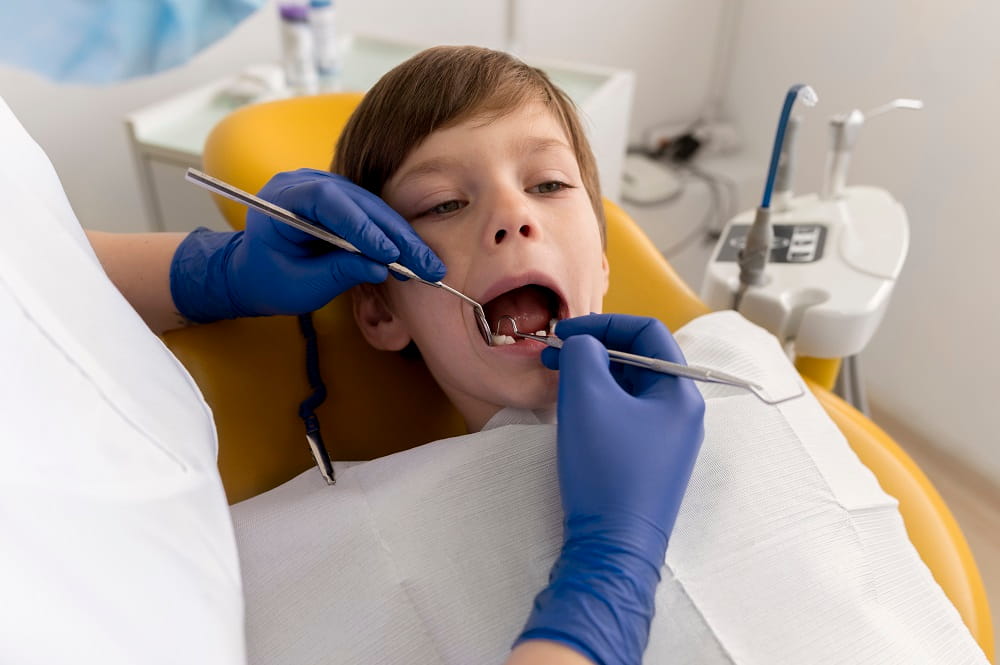
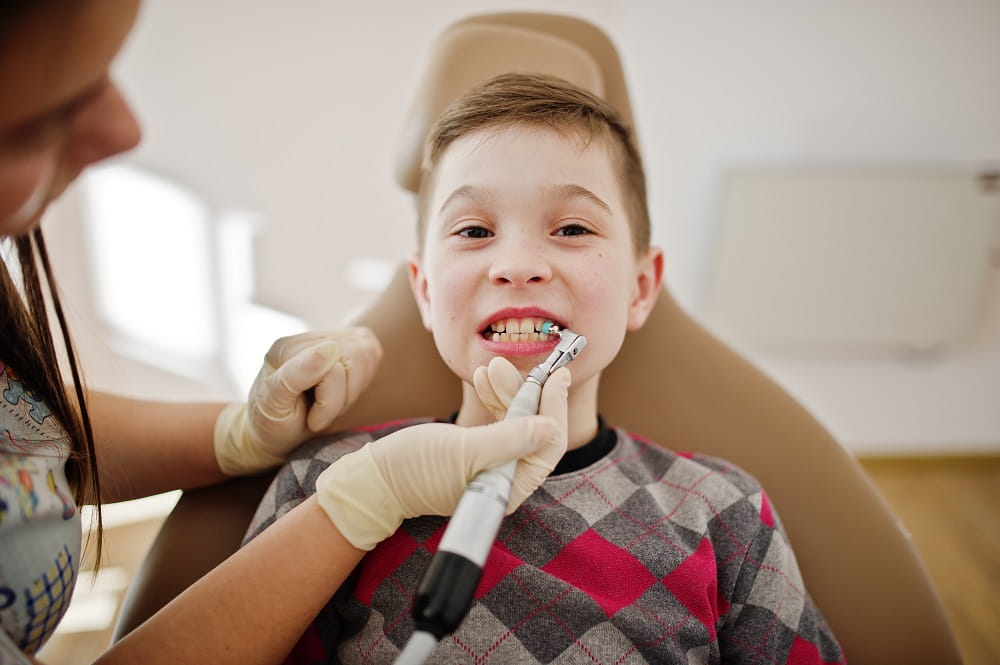
A pediatric root canal is a specialized procedure designed to save a primary tooth that has been deeply damaged by trauma or decay. Even though these teeth are temporary, they are essential for your child’s development:
We choose the specific treatment based on how far the infection has spread into the tooth.
This is our most frequent pediatric root canal procedure.
No. We only prescribe antibiotics if there is visible swelling (an abscess), a fever, or if the infection has spread into the cheek or jaw.
Dosages are based on weight, not age. Never give your child a "half-dose" of an adult medicine. Their bodies process chemicals differently, and an incorrect amount can be dangerous. Always follow Dr. Pham’s specific instructions.
Ibuprofen (Advil/Motrin) is often the best choice for dental pain because it reduces the inflammation causing the ache. Acetaminophen (Tylenol) is also a reliable option.
If tooth pain keeps your child awake after pediatric root canals:
Full sedation is significantly riskier for children due to their smaller airways and delicate physiology. To keep your child as safe as possible, we avoid "putting them under" whenever we can.
We prefer Nitrous Oxide because it has a high safety profile. It helps your child feel relaxed and "light" while they remain awake. Once the mask is removed, the effects wear off almost immediately.
Talk to your child before the visit. Sometimes a child acts out because they are scared or want attention. Explaining that "the doctor is going to make your tooth feel better" can help us avoid the need for expensive and risky sedation.
After the nerve is treated, the tooth becomes brittle. We protect it with a Stainless Steel Crown—often called a "silver hat." This is the strongest way to ensure the tooth lasts until its natural time to fall out.
Note: Sticky candies can pull these crowns off. If one comes loose, don't worry—your child usually won't be in pain—but call us immediately so we can re-cement it.
Baby teeth are essential placeholders. If a baby tooth is lost too early due to infection, the surrounding teeth will shift, potentially blocking the permanent tooth from coming in and leading to expensive orthodontic issues later.
A pulpotomy removes only the diseased part of the nerve in the “crown” (top) of the tooth. A pulpectomy is a full root canal where the entire nerve—including the part in the roots—is removed.
Yes, it is extremely safe. Nitrous oxide helps your child stay relaxed and calm while remaining awake. Unlike full sedation, it wears off almost instantly once the mask is removed.
After a pulpotomy, the tooth becomes very brittle. A standard filling is likely to crack or fall out. An SSC covers the entire tooth, providing the strength needed to last until the tooth falls out naturally.
Not at all. After a brief adjustment period (usually a day or two), your child will eat and speak normally. The crown is custom-fitted to ensure their bite remains comfortable
Don’t panic! It is usually not painful. Keep the crown and call us immediately to have it re-cemented. Avoid letting your child eat on that side until it is fixed to protect the tooth
Ibuprofen is generally the most effective choice after pediatric root canals because it reduces inflammation. If they have trouble sleeping, elevating their head with an extra pillow can reduce throbbing pressure.
Yes, as long as the numbness has worn off. We recommend waiting about 1 to 2 hours before they eat or return to school to prevent them from accidentally biting their numb lip or cheek.
You brush it exactly like a natural tooth. It is important to brush gently at the gum line to prevent irritation and keep the surrounding tissue healthy.
With the combination of local numbing and Nitrous Oxide, your child should feel no pain during the during pediatric root canals. Our goal is to make the experience as “boring” and easy for them as possible.
Don't let your child stay in pain. Call HQ Temple Dentist today at (254) 773-1672 to schedule a gentle consultation.
Automated page speed optimizations for fast site performance